Starting Indian classical singing can feel challenging when there are new notes, rhythms, and singing techniques to learn. The best way to begin is to build a strong foundation, practise regularly, and learn one skill at a time. If you are wondering where to start with Indian classical music, begin by listening to simple compositions, learning basic notes, and understanding how melody and rhythm work together.
Learning Indian classical singing takes time, so do not try to learn everything at once. Start with short practice sessions and sing at a comfortable pace. Do not rush to sing difficult notes. With regular practice and patience, you can improve your notes, rhythm, and control over your voice. A good teacher can help you fix mistakes and give you easy exercises based on your skill level.
1. Understand the Basics of Indian Classical Music
Before learning full songs, learn the basic parts of Indian classical singing. These basics will help you learn songs more easily as you improve.
- Swaras (notes): Learn the seven basic notes: Sa, Re, Ga, Ma, Pa, Dha, and Ni.
- Saptak (octave): Learn to sing notes in low, middle, and high pitches.
- Taal (rhythm): Learn to follow a steady beat while singing.
- Raga: Learn how different notes are put together to create a special sound in music.
Take your time and practise each exercise until you feel comfortable. Learning these basics first can make it easier to sing songs later.
2. Begin with Simple Listening Exercises
Listening carefully helps you learn to hear notes and music patterns. Choose simple classical music recordings and listen to short parts more than once.
Try these easy steps:
- Listen to the same short part several times.
- Notice how the singer moves from one note to the next.
- Try humming along when you feel ready.
- Listen for the beat and the pauses in the music.
- Practise small parts of a song instead of trying to sing the whole song at once.
Listening to music often helps you understand it better and makes singing practice easier.
3. Learn Basic Notes and Voice Control
Start with easy note exercises before learning longer songs. Practise singing each note clearly and holding it steady. Your teacher may use a tanpura or another tool to help you sing the right notes.
Focus on these simple tips:
- Sit or stand in a comfortable position.
- Breathe normally without raising your shoulders.
- Sing at a comfortable volume.
- Move from one note to another slowly.
- Keep your throat relaxed while singing.
Do not force your voice to sing very high or very low notes. Stop singing if your throat hurts or your voice stays rough. If these problems continue, ask a healthcare professional for help.
4. Create a Simple Daily Practice Routine
Regular practice helps you learn and remember new skills. Beginners can start by practising for 15–20 minutes a day. As you improve, you can slowly practise for longer.
A simple daily practice plan can include:
- 3–5 minutes: Do easy exercises to warm up your voice.
- 5 minutes: Practise the basic notes.
- 5 minutes: Repeat short note patterns.
- 5 minutes: Go over what you learned in your lesson or practise a simple song.
Keep a small notebook to write down what you practised and which notes you need to work on more. Short practice sessions with full focus can help more than long practice sessions when your voice feels tired.
5. Find Guidance That Matches Your Level
Learning from a teacher can help you learn singing step by step, correct your mistakes, and build good habits. Choose a teacher who explains things in simple words and gives you enough time to practise.
Indian classical singing lessons in Mississauga can help you learn basic notes, beats, and how to sing. Choose classes that match your skills, free time, and learning goals.
When choosing music lessons in Mississauga, ask how the teacher teaches, how long each lesson lasts, how much you need to practise, and whether you can ask questions. A friendly, comfortable place to learn can help you enjoy your lessons and improve at your own pace.
6. Move from Basic Exercises to Simple Ragas
Once you can sing the basic notes with ease, start learning simple note patterns and easy ragas with your teacher. Learn how the notes fit together and practise short parts slowly. As you get better, try to sing the notes smoothly.
Do not rush to learn many ragas at once. Focus on understanding one pattern before moving to another. Indian classical vocal lessons in Mississauga may help organise this learning process and provide feedback as your skills develop.
7. Track Progress Without Rushing
You may see small signs of progress, such as singing notes more clearly, keeping the beat, or remembering part of a song on your own.
To check how much you have improved:
- Record yourself singing from time to time.
- Listen to your recordings after a few weeks and notice the changes.
- Notice which exercises are becoming easier.
- Ask your teacher what you should practise next.
- Set small goals and give yourself time to improve.
With regular help from a teacher, music lessons in Mississauga can help you learn step by step and stay focused on your goals.
Take Your First Step into the World of Classical Music!
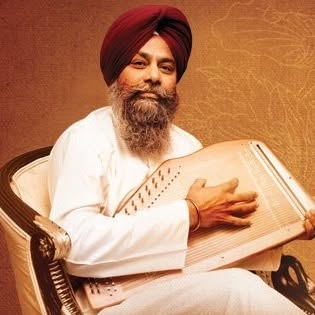
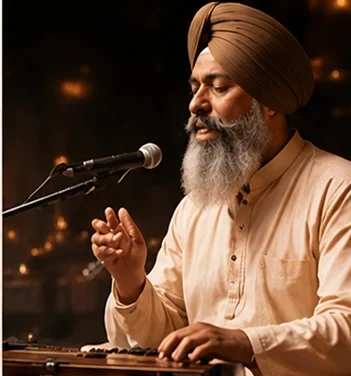
Learning music starts with a desire to learn and regular practice. With good guidance and patience, you can slowly learn notes, rhythm, and how to use your voice. Professor Paramjeet Singh can help you start learning and improve your skills at a comfortable pace.
Contact us today to learn about your options and take the first step toward learning Indian classical singing.
FAQs
Can I learn Indian classical singing without any music experience?
Yes, you can learn even if you have never sung before. Start with basic notes, simple beats, and listening to music. You can learn more as you get better.
How long should I practise each day as a beginner?
Practising for 15–20 minutes a day is a good start. You can practise for more or less time depending on how you feel and what your teacher suggests.
Should I learn musical notes before learning songs?
Yes, it is helpful to learn basic notes first. Once you know the notes, you can start learning easy songs.
Do I need a musical instrument to learn singing?
No, you can start learning to sing without an instrument. A tanpura or a music app can help you follow the notes, but it is not needed.