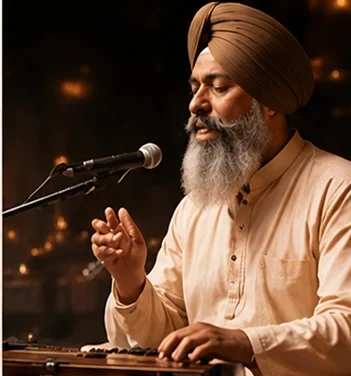
Learning classical singing takes time, regular practice, and patience. Some beginners may notice improvements in their voice and breathing within a few weeks. However, learning to sing full songs with confidence may take several months or even years. If you are wondering, “How much time does it take to learn classical singing?” the answer depends on your current skills, how often you practise, the guidance you receive, and your goals.
Classical singing means learning the right notes, keeping the beat, controlling your voice, and practising songs properly. Everyone learns at their own speed, so there is no fixed time to learn it well. Regular practice and help from a teacher can make learning easier. Joining Indian classical music workshops in the GTA can also help you learn from teachers, practise with other learners, and understand the basics of classical singing.
How Long Does It Take to Learn Classical Singing?
The time it takes to learn classical singing depends on how often you practise and what you want to learn. Here is a simple guide for beginners:
- First 1–3 months: Learn basic notes, simple singing exercises, the right posture, and how to breathe properly.
- 3–6 months: Practise singing the right notes, keeping the beat, and singing short tunes.
- 6–12 months: Learn to control your voice better and start practising longer songs.
- 1–3 years: Improve your singing skills, express feelings through music, and learn more difficult songs.
- Several years and beyond: Continue refining your voice, musical understanding, and performance skills.
These are only estimates. Some learners progress faster in certain areas, while others need more time to build a strong foundation.
What Affects Your Learning Speed?
Several things can affect how quickly you learn classical singing.
1. Previous Music Experience
If you are new to music, you may need time to learn notes and follow the beat. If you have taken singing or music lessons before, some parts may be easier. However, you will still need practice to learn new skills.
2. Regular Practice
Practising for a short time every day can help you learn better than practising for many hours just once a week. Regular practice helps you remember what you learn in your lessons.
3. Help from a Teacher
A singing teacher can help you find what needs improvement and show you the right exercises. Their advice can help you learn good singing habits and avoid mistakes that may be hard to correct later.
4. Personal Goals
Learning a few songs for enjoyment takes a different amount of time from preparing for formal performances or advanced study. Clear goals make it easier to track progress.
What Should You Learn First?
Learning the basics first can make classical singing easier as you move to the next level. Beginners can focus on these important skills:
- Pitch: Learn to hear notes and sing them correctly.
- Breathing: Practise breathing slowly and steadily so you can sing without straining your voice.
- Rhythm: Learn to keep the beat while singing.
- Voice Exercises: Do gentle singing exercises to help you control your voice.
- Listening Skills: Listen to trained singers and notice how they use notes, rhythm, and emotion in their singing.
Do not try to sing notes that are too high or too low for your voice. Stop singing if your throat hurts or your voice stays rough. If the problem does not go away, ask a singing teacher or healthcare professional for help.
How Often Should You Practise?
For beginners, practising for 15–30 minutes on most days is a good way to start. The right practice time depends on your age, skills, and how comfortable your voice feels. You can also follow your teacher’s advice.
A simple practice session can include:
- 5 minutes: Warm up your voice with easy singing exercises.
- 5–10 minutes: Practise singing the right notes.
- 5–10 minutes: Practise a song or simple music patterns.
- A few minutes: Think about what you did well and what you need to practise more.
As you improve, you can practise for a little longer each day. If your voice feels tired, stop and rest. Do not shout or try too hard to sing.
Can Lessons Help You Learn Faster?
Structured lessons can help you practise the right skills in the right order. Feedback also makes it easier to notice mistakes that may be hard to hear on your own.
For those looking for music lessons in Mississauga, the right classes can help you learn step by step. You can get regular lessons, practise new skills, and receive help based on your current level. Learning in a group can also help you feel encouraged and enjoy making music with others.
Indian classical music workshops in the GTA help you learn music, practise with other students, and feel more confident when singing. Choose classes that match your interests, fit your free time, and suit your current singing skills.
How Can You Track Your Progress?
Progress is not just about how many songs you can sing. You can also see improvement in small ways, such as:
- Singing the right notes more often.
- Keeping the beat while singing.
- Moving from one note to another more smoothly.
- Remembering musical patterns more easily.
- Singing a short piece with greater confidence.
Occasionally, recording a practice session can help you hear changes that may not be obvious from day to day. Avoid comparing your progress too closely with other singers.
Begin Your Classical Singing Journey!
Building musical skills takes patience, steady practice, and the right guidance. Universal Professor can help you explore learning opportunities that suit your interests and support your next steps in music.
Get in touch today to learn more about available programmes and start working toward your classical singing goals.
FAQs
Can an adult beginner learn classical singing?
Yes. Adults can begin learning at different ages. Progress depends on practice, instruction, and personal goals rather than age alone.
Can I learn classical singing if I don’t have a naturally good voice?
Yes. You can learn classical singing with regular practice and a teacher’s help. Over time, you can learn to sing the right notes, follow the beat, and breathe properly while singing.
Do I need to practise every day?
Practising every day can help you sing better. Start with short practice sessions and focus on singing correctly. Practising a little regularly is better than practising for many hours only once in a while.
How long does it take a beginner to learn a classical song?
Some beginners can learn a simple classical song in a few months. The time depends on how often you practise and how quickly you learn the notes, beat, and words. It may take more time to feel comfortable singing in front of other people.